
The landscape of social media is rapidly changing, with users increasingly seeking spaces that prioritize privacy and closeness over open public forums. The rise of private communities in social media reflects a growing desire for more meaningful interactions and a sense of belonging among users. These private groups offer a sanctuary for like-minded individuals to connect, share, and engage without the noise of larger platforms.
As public conversations often become overwhelming, many turn to private communities as a solution to filter out distractions and foster deeper connections. These spaces can be found on platforms such as Facebook, Discord, and even niche forums where members discuss interests ranging from hobbies to professional development. Users appreciate the sense of community that comes from engaging in smaller, more controlled environments.
The shift toward private communities indicates a significant trend in how people want to use social media. Rather than broadcasting to a wide audience, individuals are increasingly drawn to intimate groups where they can express themselves freely and cultivate genuine relationships. This evolution highlights the importance of community as a powerful driver in the social media experience.
Why Private Communities Are Rising in Social Media
Private communities are gaining popularity due to a combination of declining trust in public social media platforms, an increasing desire for deeper connections, and the demand for high-quality, tailored content. These factors contribute to a shift towards exclusive environments where users feel more secure and engaged.
Declining Trust and Privacy on Public Platforms
Many users have expressed concerns over privacy and data security on mainstream social media platforms. High-profile data breaches and manipulative advertising practices have led to skepticism about how personal information is handled.
Moreover, the feeling of being constantly monitored or exposed can deter users from participating in public forums. As trust diminishes, individuals seek out private communities where they can engage without fear of intrusion.
This environment promotes greater confidence in sharing personal experiences and thoughts among users who share common interests.
Demand for Deeper Connections and Engagement
The quest for authentic relationships drives individuals to seek smaller, private groups. Public social media often feels impersonal, with fleeting interactions overshadowing genuine connections.
Private communities facilitate meaningful discussions, allowing users to engage in topics they care deeply about. This focus on quality interaction fosters stronger bonds between members, leading to improved collaboration and support.
Participants in such settings often report higher satisfaction, as they find value in belonging to groups that align with their passions and experiences.
Quality Over Quantity: The Shift from Public to Private
In the past, public platforms prioritized user numbers over interaction quality. Now, a noticeable shift is occurring as many people prefer fewer connections that offer higher engagement.
Private communities provide curated content and interactions, ensuring that discussions remain relevant and engaging. Users in these spaces feel empowered to share insights and experiences, knowing their contributions matter.
This emphasis on quality content fosters loyalty among members, creating a more stable and committed community compared to the transient nature of public platforms.
The Role of Niche Interests and Tailored Content
The emergence of niche interests has played a crucial role in the rise of private communities. Users often seek spaces that cater specifically to their unique passions, whether related to hobbies, professions, or personal growth.
Private communities excel in offering tailored content that resonates with member interests. This customization enhances the user experience, as participants find value in discussions that speak directly to their needs.
As a result, individuals are more likely to remain engaged and actively contribute, creating a vibrant atmosphere that fosters growth and learning.
Key Platforms and Tools Powering Private Social Communities
Private social communities thrive on various platforms and tools designed to enhance communication and connectivity. These platforms cater specifically to users looking for intimate, focused spaces away from the broader social media landscape.
Emerging Private Social Media Platforms
Several new platforms are gaining traction in the realm of private communities. Apps like Mighty Networks and Circle provide users with customizable spaces for groups, allowing for tailored experiences. These platforms emphasize content sharing, event hosting, and community-driven discussions.
These emerging options often provide features not found on mainstream networks, such as monetization tools for community creators. Mighty Networks allows users to charge for membership, while Circle offers rich integration with other software to streamline community management.
Unique Features of Slack, Discord, and Telegram
Slack, Discord, and Telegram offer distinct tools that cater to private group dynamics.
- Slack excels in professional settings, providing channels for focused discussions, file sharing, and integrations with productivity tools.
- Discord is favored by niche communities, featuring voice chat options and customizable bots, ideal for gaming and hobbyist groups.
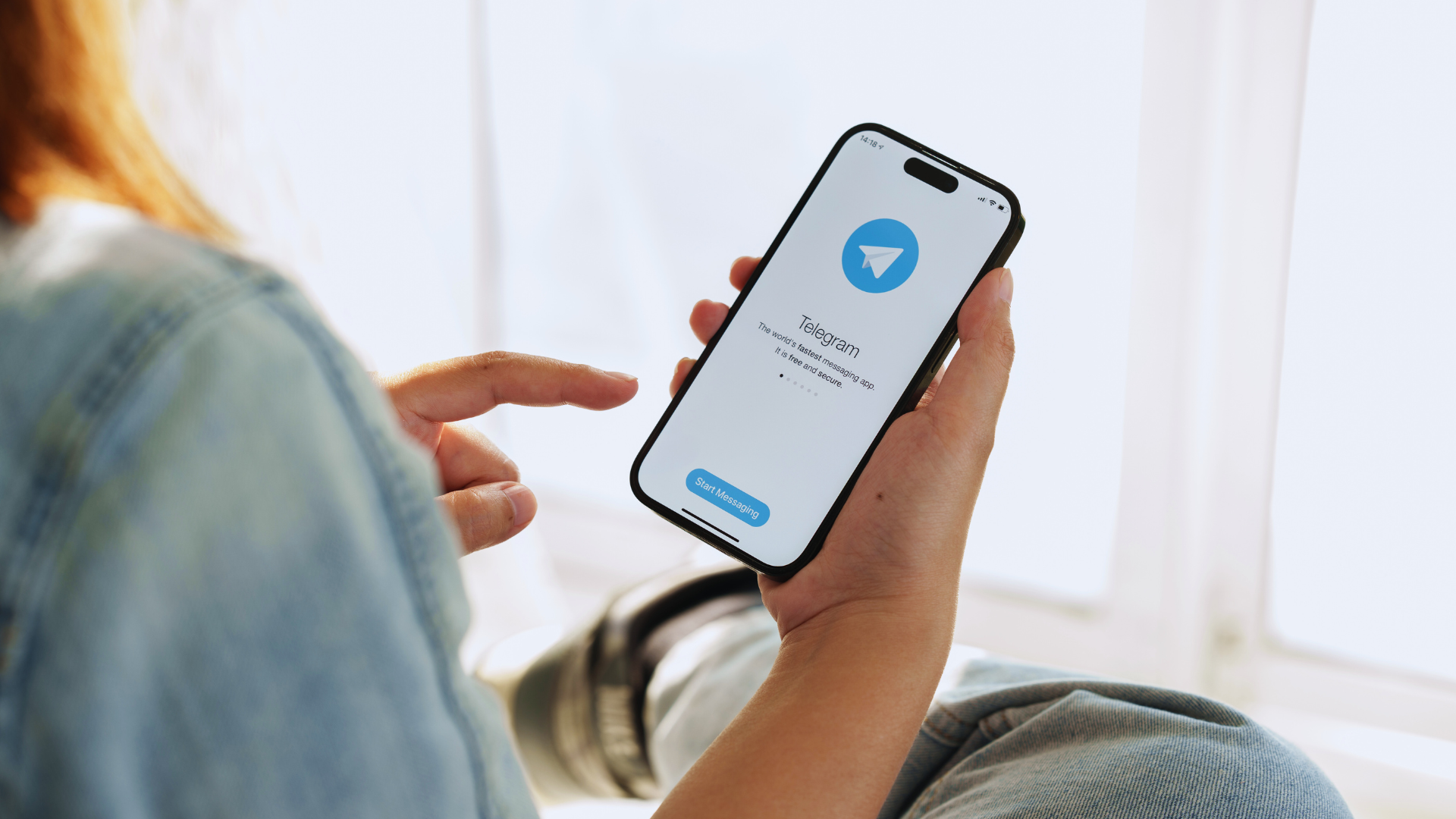
- Telegram is notable for its commitment to privacy, with features like secret chats and robust encryption.
Each platform fosters a different type of interaction, appealing to diverse user needs and preferences.
How Facebook Groups and LinkedIn Foster Private Networks
Facebook Groups serve as a powerful tool for building community around specific interests. Users can create public or private groups that facilitate discussions, resource sharing, and event coordination. The platform’s algorithms often highlight group activity, ensuring engaged community interaction.
In contrast, LinkedIn emphasizes professional connections through its Groups feature. LinkedIn Groups allow users to share industry insights and network with like-minded professionals. Exclusive posts and discussions can enhance collaboration and career opportunities within specialized fields.
Both platforms demonstrate the effectiveness of social media in nurturing private relationships, tailored to users’ specific needs.
Brand Strategies Within Private Communities
Private communities offer brands a unique opportunity to connect with their audiences. By focusing on loyalty, influencer partnerships, and customer feedback, brands can foster stronger relationships and tailor their strategies effectively.
Building Brand Loyalty and Advocacy
Brands harness the power of private communities to cultivate loyalty and advocacy. Engaging directly with customers allows them to understand preferences and create personalized experiences.
For instance, beauty brands can use these spaces to share exclusive skincare routines or product launches. Members feel valued, which strengthens their connection to the brand. Loyalty programs can be integrated, rewarding participation and encouraging members to advocate for the brand within their networks.
Leveraging Influencers for Exclusive Content
Influencers play a vital role in private communities. By collaborating with trusted figures, brands can offer exclusive content tailored to community members.
This might include behind-the-scenes access, live Q&A sessions, or special discounts. Influencers can present the brand authentically, making the connection feel genuine. Engaging influencers who resonate with the community enhances credibility and encourages interaction, driving member participation.
Enhancing Customer Engagement and Feedback
Customer feedback becomes invaluable in private settings. Brands can create surveys or engage in discussions to gather insights directly from their audience.
This level of engagement allows for real-time feedback on product development, marketing strategies, and customer service. Brands in the beauty sector can ask members to share thoughts on new skincare products, fostering a sense of involvement. Actively incorporating feedback into brand strategies can lead to significant improvements and higher customer satisfaction.