
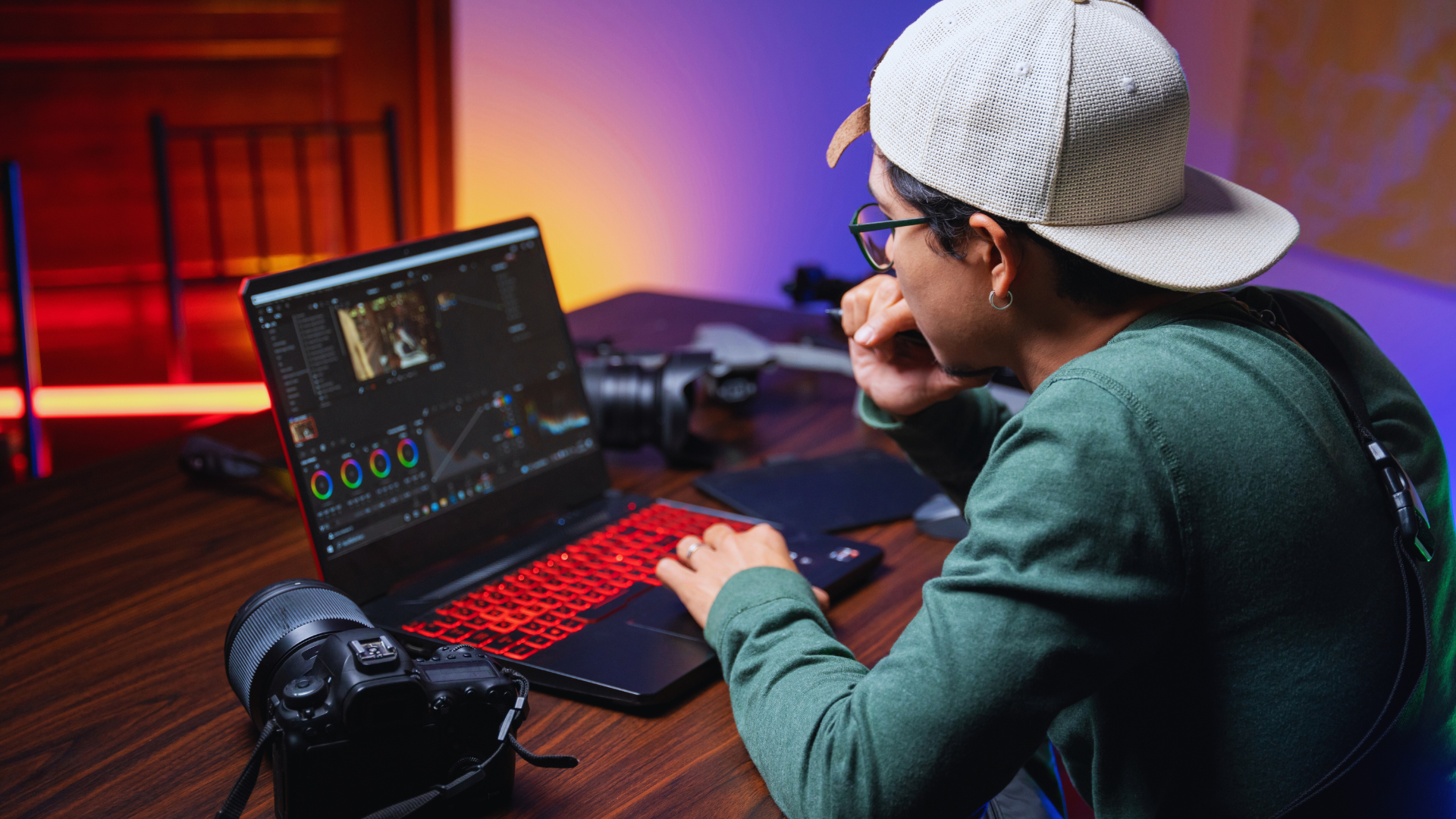
The landscape of photography is evolving rapidly with the emergence of AI-powered tools that enhance the creative process for both amateurs and professionals. These technologies streamline tasks such as editing, organizing, and even capturing images, making photography more accessible than ever before. This shift allows photographers to focus more on their artistic vision while leveraging advanced algorithms to improve their workflow and final product.
AI tools offer features like automatic enhancements, smart tagging, and personalized editing suggestions, which can save time and boost productivity. The integration of machine learning is enabling users to achieve stunning results with less effort, transforming the way images are created and shared. The proliferation of these tools has sparked conversations about the implications for creativity and authenticity in photography.
As these innovations continue to advance, they are reshaping how visual stories are told and experienced. The rise of AI in photography not only changes the technical aspects but also opens up new possibilities for artistic expression. With the right knowledge and tools, photographers can harness AI to enhance their work in unprecedented ways.
AI-Powered Photography Tools: Overview and Core Technologies
AI-powered photography tools have transformed how photographers capture and edit images. By harnessing advanced algorithms and machine learning, these tools enhance creativity and improve technical precision.
Understanding Artificial Intelligence in Photography
Artificial intelligence in photography refers to the use of machine learning algorithms to automate and enhance various aspects of the photo-taking process. AI can help with image recognition, enabling the software to identify objects, people, and scenes.
Techniques such as neural networks analyze vast datasets to understand patterns and features in photographs. As a result, photographers can streamline their workflow, quickly achieving professional-quality results without extensive manual adjustments.
Key AI Algorithms and Machine Learning Approaches
Numerous machine learning algorithms are pivotal in AI photography tools. Convolutional Neural Networks (CNNs) are commonly used for image classification and segmentation. They excel at recognizing patterns and features within photographs.
Other techniques include:
- Generative Adversarial Networks (GANs) for creating new images based on learned data.
- Decision Trees for making choices based on specific attributes of the image.
- Support Vector Machines (SVMs) for classification tasks.
These algorithms enable tools to provide context-aware enhancements, such as optimizing exposure or adjusting color balance.
How AI Photography Tools Analyze Scenes and Subjects
AI photography tools utilize scene analysis to assess various elements of an image, such as lighting, composition, and subject matter. This analysis informs automatic adjustments that align with photographic best practices.
Real-time scene detection effectively identifies landscapes, portraits, or macro shots. Based on this recognition, the software can suggest or apply specific editing techniques.
For instance, when capturing a sunset, the tool may enhance warm tones and contrast to emphasize the sky’s vibrancy. This level of analysis improves user experience and reduces the need for manual editing.
Essential AI Tools and Applications in Modern Photography
The integration of AI technology into photography has transformed how images are captured and processed. Key tools enhance efficiency and creativity while offering advanced features that simplify complex tasks.
AI Photo Editing Software and Platforms
AI photo editing software has revolutionized the editing process. Tools like Luminar Neo utilize machine learning algorithms to suggest enhancements based on the image content. This software automates tasks such as color correction, exposure adjustments, and style transfers.
Platforms also cater to various skill levels, from beginners to professionals. These systems often feature one-click edits that dramatically improve images with minimal user intervention. The result is time-saving editing without sacrificing quality.
Object and Background Removal Capabilities
Object and background removal capabilities have become essential in modern photography. AI tools streamline these processes, allowing photographers to isolate subjects effortlessly.
Examples include Topaz Photo AI and Gigapixel AI, which can intelligently detect subjects and remove unwanted elements from backgrounds. These tools operate with precision, ensuring that edges remain clean and natural-looking, enhancing the overall composition.
Image Upscaling and Noise Reduction Solutions
Image upscaling and noise reduction tools are crucial for maintaining high-quality visuals. Topaz Denoise AI excels in reducing noise while preserving details, making it ideal for low-light photography.
Topaz Gigapixel AI further enhances images by increasing resolution without losing sharpness. This technology uses AI models to analyze images, resulting in realistic enlargements suitable for prints or high-resolution displays.
Emerging Generative Fill and AI Image Creation
Generative fill and AI image creation are cutting-edge technologies that expand creative possibilities. Tools like Midjourney enable users to generate high-quality imagery from text prompts.
These AI systems utilize vast datasets to create unique visuals, pushing the boundaries of creativity. This ability allows photographers to experiment and conceptualize ideas without needing extensive graphic design skills. The outcome is a new realm of visual storytelling driven by AI innovation.
Transformation of Photography Workflows and Creative Possibilities
AI technology is transforming photography workflows, introducing enhancements that streamline processes and expand creative potential. From AI-powered cameras to innovative photo editing tools, photographers are experiencing shifts that redefine traditional practices.
AI-Powered Cameras and Real-Time Enhancements
AI-powered cameras provide photographers with real-time scene analysis and automatic adjustments. These cameras utilize machine learning algorithms to optimize settings such as exposure, focus, and color balance instantly.
This technology allows users to capture high-quality images without extensive manual adjustments. Recognizing subjects, adjusting for lighting conditions, or even predicting moments to click enhances the shooting experience.
For example, features like facial recognition and scene detection ensure that portraits and landscapes alike receive tailored adjustments, improving the final output significantly.
Reimagining Product Photography and Commercial Shoots
In product photography, AI tools streamline the workflow by automating tasks such as background removal and retouching, enabling faster turnaround times. AI-generated imagery can provide potential clients with multiple product variations before actual shoots.
Photographers can use AI-enhanced applications to preview different lighting setups or backgrounds, leading to informed choices without time-consuming trials. This technology facilitates a more efficient and creative approach to commercial shoots.
Moreover, these tools integrate seamlessly into existing workflows, making them accessible for both new and seasoned professionals.
The Impact of AI on Creative Expression and Efficiency
AI tools in photography enhance creative expression by offering innovative editing capabilities. For instance, users can apply complex effects and filters that would typically require hours of manual work.
Photo editing software utilizing AI can analyze and suggest changes based on style preferences, aiding photographers in developing unique aesthetics. This capability allows for experimenting with styles that can push the boundaries of traditional photography.
Additionally, automation in tasks such as sorting and keyword tagging vastly improves efficiency, allowing photographers to focus more on creative projects and less on monotonous administrative duties.
Future Trends and Ethical Considerations in AI Photography
The evolution of AI in photography brings forth exciting trends while raising important ethical considerations. The integration of AI technologies can transform mobile photography, but it also introduces complexities around creativity, legality, and future advancements.
Integration of AI with Mobile Photography
Mobile photography is increasingly benefiting from AI-powered tools that enhance user experience. Features like automated scene detection, intelligent editing, and real-time enhancement allow users to capture high-quality images effortlessly.
With AI integration, smartphones can suggest optimal settings based on environmental conditions.
Some models now include AI-driven features that automatically adjust lighting, focus, and composition. This technology empowers amateur photographers to achieve professional-looking results.
Moreover, AI can assist in post-processing through advanced filters and editing suggestions, streamlining the workflow for users.
Creative and Legal Implications of AI in Visual Media
AI-generated imagery raises significant questions regarding authorship and copyright. As AI tools create unique visuals, it becomes unclear who holds the rights to these images—the developer, the user, or the AI itself.
Additionally, the potential for misuse exists. Manipulated images can spread misinformation, posing ethical dilemmas for content creators and platforms alike.
Creativity is also affected; as AI tools generate art, the line between human and machine-created content blurs. In this context, the role of the photographer evolves, requiring new skill sets to work alongside AI.
Predicted Advances in AI Tools and User Experience
The future of AI in photography looks promising, with anticipated advancements enhancing user experiences. Upcoming tools are likely to offer even more refined features, pushing the boundaries of creative expression.
Improvements in deep learning algorithms may lead to heightened precision in image recognition and editing processes.
New developments are expected to incorporate augmented reality, allowing users to visualize edits in real-time.
Enhanced collaboration features could enable remote teams to work on projects collectively, regardless of location.
These advances will not only impact professional photographers but also empower casual users to explore their creativity.