
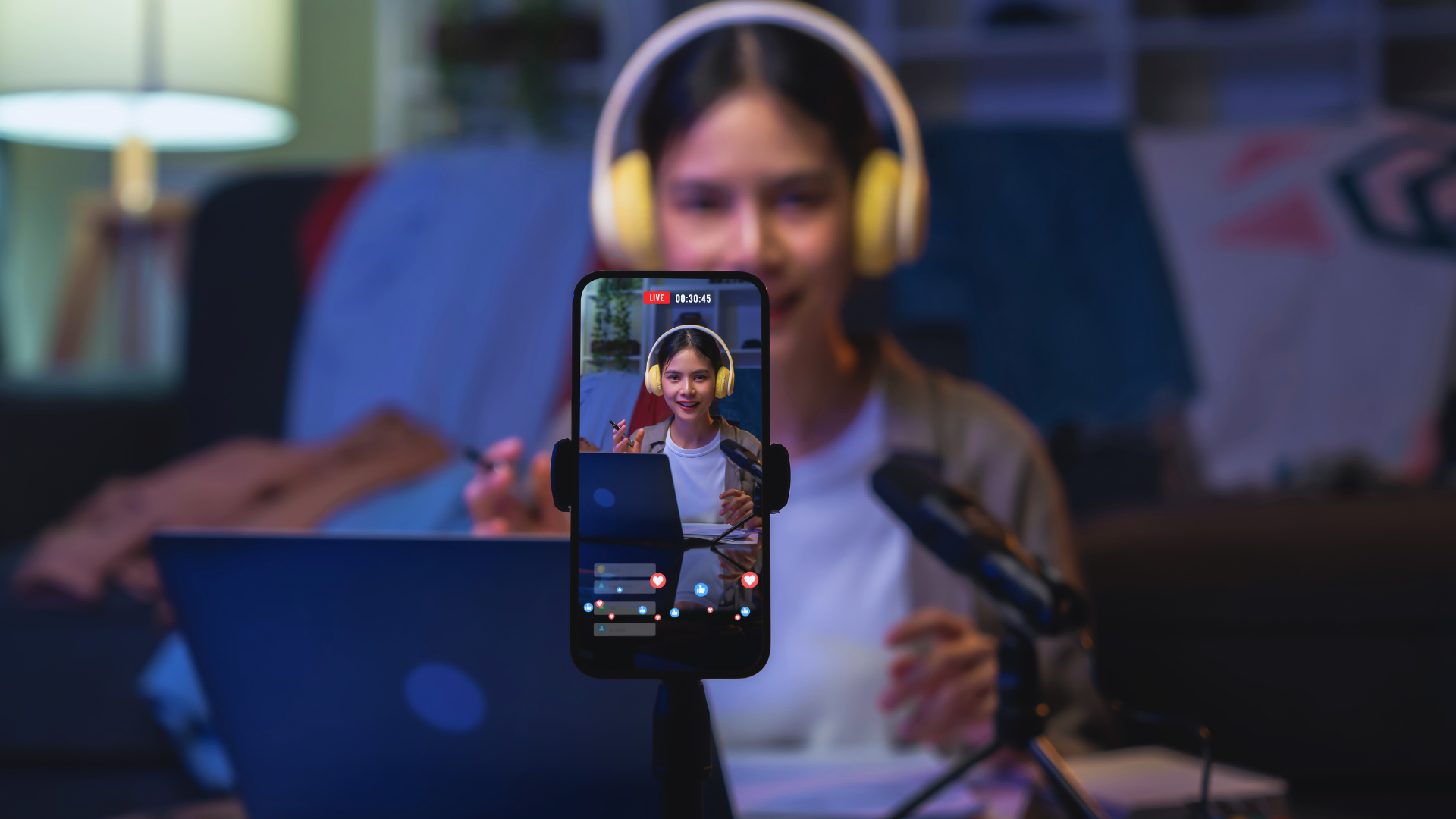
The rise of mobile technology has transformed the way people engage with content, making livestreaming more accessible than ever. The future of livestreaming on mobile platforms will see enhanced interactivity, improved video quality, and integration with augmented and virtual reality technologies. As users demand more immersive experiences, these advancements will shape the landscape of live content consumption.
With the popularity of platforms like Instagram, TikTok, and Twitch, the potential for mobile livestreaming continues to grow. Brands and content creators are leveraging these platforms to connect with audiences in real-time. This trend indicates a shift toward more personalized and engaging content, which demands innovative tools and features to captivate viewers.
The combination of faster internet speeds and advanced smartphone capabilities suggests a promising horizon for mobile livestreaming. As technology evolves, it will enable creators to produce high-quality broadcasts that resonate with audiences worldwide. As a result, staying informed about these developments is crucial for anyone interested in the future of digital content.
Key Trends Shaping Livestreaming on Mobile Platforms
Mobile livestreaming is evolving rapidly, driven by the demand for real-time content and innovative ways to engage audiences. Several key trends are shaping this dynamic landscape, including increased interaction during broadcasts, the integration of e-commerce, and the growing influence of esports and gaming.
Real-Time Content and Audience Engagement
Real-time content is essential for maintaining viewer interest. Mobile platforms emphasize spontaneous interactions through live chats and instant polls, transforming passive viewers into active participants.
- Audience Interaction: Platforms are integrating tools that allow viewers to influence content. This includes features like live Q&A sessions and the ability to donate in real-time.
- Short-Form Live Content: With mobile users preferring quick consumption, platforms are introducing short-form livestreams. This trend caters to attention spans while delivering impactful messages.
Companies are increasingly focusing on analytics to refine engagement strategies based on audience behavior during live broadcasts.
The Rise of Live Commerce and Social Shopping
Live commerce merges entertainment with e-commerce, allowing viewers to purchase products while watching live events. This trend is increasingly popular on platforms like Instagram and TikTok.
- Seamless Shopping Experience: Streamers can showcase products in real-time, demonstrating usage and benefits. This immediate access encourages impulse buying.
- Influencer Collaborations: Influencers play a significant role, leveraging their followers’ trust to drive sales. Their live interactions help bridge the gap between product presentation and audience engagement.
Live commerce is projected to increase significantly, enhancing the monetization potential of mobile livestreaming.
Esports and Gaming Broadcasting Evolution
Esports has revolutionized mobile livestreaming. These platforms serve as hubs for gaming content, attracting millions of viewers.
- Competitions and Tournaments: Major events are streamed live, featuring commentary and analysis, enhancing the viewer experience.
- Community Building: Mobile platforms foster communities around gaming, offering forums for discussions and fan interactions during live streams.
As gamers seek engagement and entertainment, the esports sector continues to push the boundaries of what is possible in live broadcasting. The blending of gameplay with real-time audience interaction is setting new standards in mobile streaming.
Technological Innovations and Platform Advancements
Recent developments in technology are transforming mobile livestreaming. Enhanced network infrastructure, combined with artificial intelligence, augmented reality, and robust content moderation practices, is set to reshape user experiences.
5G Networks and Enhanced Network Infrastructure
5G technology plays a crucial role in the future of livestreaming. It offers significantly higher data speeds, reduced latency, and greater capacity compared to previous networks. This allows for seamless streaming, even with multiple users and high-definition content.
Service providers are investing in advanced network infrastructure to support these enhancements. As 5G becomes more widely adopted, mobile users can expect improved streaming quality and a more reliable connection. Factors like speed and latency will become less of an issue, enabling richer content delivery.
AI and Machine Learning Personalization
Artificial intelligence and machine learning are revolutionizing content personalization in livestreaming. AI algorithms analyze viewer behavior to recommend tailored content, increasing user engagement. This level of personalization enhances the viewing experience by serving relevant streams to individual users.
Platforms are also utilizing machine learning to optimize streaming quality based on user preferences. Adaptations based on real-time data can improve how content is delivered, ensuring that users receive a consistent and enjoyable experience tailored to their tastes.
Augmented Reality, Virtual Reality, and Immersive Features
Augmented reality (AR) and virtual reality (VR) are making livestreaming more interactive. AR overlays digital elements onto real-world views, enhancing user engagement during events. This feature allows streamers to create immersive environments that captivate viewers.
VR takes this further by providing fully immersive experiences. Users can participate in events as though they are physically present. Platforms are beginning to incorporate these technologies to attract audiences seeking more than traditional livestream formats.
Content Moderation and Privacy in a Mobile World
With the growth of mobile livestreaming comes the need for effective content moderation. Advanced algorithms help in identifying inappropriate content and ensuring that platform guidelines are followed. This minimizes harmful content and promotes a safer viewing environment.
Privacy concerns are also paramount. As more data is collected for personalized experiences, platforms must ensure compliance with regulations. Effective measures are needed to safeguard user data while giving viewers confidence in their interactions on mobile platforms.
Monetization Models and Brand Integration
Mobile livestreaming platforms are increasingly adopting various monetization strategies. These strategies range from subscription models to innovative brand partnerships, creating revenue streams that benefit both content creators and brands.
Subscription Models and Tipping
Subscription models allow viewers to pay a recurring fee for exclusive content or ad-free experiences. This method fosters a closer relationship between creators and their audiences. Creators can generate consistent income by offering unique value, such as behind-the-scenes access or exclusive live chats.
Tipping adds an interactive layer to the experience, enabling fans to support creators directly during broadcasts. Platforms like Twitch and TikTok have integrated tipping features, allowing users to send monetary gifts. This approach encourages engagement and enhances viewer loyalty.
Product Placements and Brand Partnerships
Product placements in livestreams provide creators with a way to incorporate brands seamlessly into their content. This method enhances authenticity while promoting products. Successful placements require alignment between the creator’s audience and the brand’s target market.
Brands also seek long-term partnerships with popular creators for collaborative content. These collaborations can amplify brand visibility and drive conversions when executed strategically. Partnerships may involve co-branded events, exclusive streams, or social media campaigns.
Virtual Goods, Microtransactions, and Digital Commerce
The sale of virtual goods has emerged as a lucrative avenue for revenue generation. Creators offer custom emojis, badges, or personalized content for purchase. This approach often leads to increased viewer engagement and a sense of community.
Microtransactions have gained traction, particularly on platforms like TikTok with its TikTok Shop feature. Viewers can purchase items related to specific livestreams, enhancing the shopping experience. This integration allows for a seamless transition from viewing to purchasing, benefiting both creators and brands alike.
The Evolving Role of Influencers, Communities, and Interactive Elements
The landscape of mobile livestreaming continually shifts, integrating influencers, interactive elements, and community engagement. These components play a crucial role in how audiences engage with live content, enhancing the viewer experience.
Influencers and Streamer-Driven Content
Influencers are pivotal in shaping livestreaming content on platforms like TikTok, Twitch, and Instagram. They create authentic connections with their audiences, often acting as bridges between brands and consumers. Streamers leverage their personas to promote products, creating an engaging context for viewers.
These influencers facilitate a more personal viewing experience. Their ability to engage in real-time discussions leads to higher viewer retention and trust. As brands collaborate with streamers, they tap into established communities, increasing their reach in targeted demographics.
Interactive Elements: Polls, Quizzes, and Social Interaction
Interactive elements significantly enhance engagement during livestreams. Features such as polls and quizzes allow viewers to participate actively, making the experience more immersive. For instance, Twitch offers integrated polling tools that enable streamers to gauge viewer preferences instantly.
Social interaction tools, like chat moderation, encourage a sense of community. Streamers can curate discussions by highlighting viewer comments, fostering a welcoming environment. This type of participation not only keeps viewers engaged but also elevates brand loyalty.
Community Building, Education, and Cross-Platform Integration
Community building is essential in livestreaming, where shared interests create bonds among viewers. Streamers often cultivate educational spaces within their content, whether for gaming strategies or skill development. For example, educational podcasts incorporated within livestreams can draw in diverse audiences.
Cross-platform integration aids in expanding a streamer’s reach. By promoting content from one platform to another, they can attract followers from various social media sources. This strategy allows influencers to engage with their communities comprehensively, enhancing the overall livestreaming experience.