
Choosing the right camera for social media content can significantly impact the quality and engagement of posts. Content creators should consider their specific needs, including portability, image quality, and ease of use, to find the best fit. A good camera can enhance visual storytelling, making it essential for those looking to stand out in the crowded landscape of social media.
The explosion of content on platforms like Instagram and TikTok means that clarity and creativity are paramount. Cameras that offer versatility, such as interchangeable lenses or advanced editing features, can cater to various content styles, from quick snapshots to professional-grade videos. Evaluating options like DSLRs, mirrorless systems, and even high-quality smartphones can guide creators in making informed decisions.
Understanding the target audience and the type of content to be produced will further clarify the selection process. Whether aiming for flawless photos, dynamic videos, or live streams, the right camera can elevate one’s online presence and engagement.
Key Factors for Choosing a Camera for Social Media Content
Choosing the right camera for social media requires considering several critical factors. Resolution, autofocus features, video capabilities, and portability greatly influence the quality of content created.
Resolution and Image Quality
Resolution directly impacts image quality. For social media, a camera should ideally provide at least 1080p (Full HD) or 4K video capabilities to ensure sharp visuals. High-resolution images are crucial for engagement.
Megapixels play a vital role in still photography. A camera with 12-24 megapixels is often sufficient for most social media platforms. More megapixels allow for cropping without loss of detail.
When assessing image quality, it’s essential to consider low-light performance as well. Cameras with larger sensors often produce better images in varying lighting conditions.
Autofocus and Stabilization Features
An effective autofocus system is critical. Fast and reliable autofocus ensures that subjects remain sharp, especially in dynamic environments. Look for cameras with advanced autofocus technologies like phase detection.
Stabilization features are equally important. Image stabilization helps minimize shake, which can be distracting in videos. For those creating video content, video stabilization capabilities should also be prioritized.
Consider cameras that offer customizable autofocus settings, allowing users to adapt to different shooting scenarios effectively.
Video Capabilities and Audio Quality
Video quality is paramount in social media content. Cameras that support 4K video recording provide richer detail and smoother visuals. Full HD video is also a must for platforms that optimize such formats.
Audio quality should not be overlooked. A built-in microphone is standard, but external microphone compatibility can significantly enhance sound recording. Good audio complements high-quality video, creating a more professional look.
Battery life is an often underestimated feature. Longer battery life allows for extended recording sessions, which is crucial for live events or travel.
Portability and Ergonomics
Portability can make or break the camera experience. A portable camera that is lightweight and easy to carry encourages frequent use. Look for compact models that do not sacrifice quality for size.
Ergonomics also matters. A camera with a comfortable grip and intuitive controls allows for easier shooting. This is especially important when capturing spontaneous moments.
Evaluate the durability of the camera as well. A rugged camera can withstand outdoor conditions, making it ideal for various social media scenarios.
Comparing Popular Camera Types for Social Media
When selecting a camera for social media, several popular types stand out based on features, portability, and image quality. Each type offers unique advantages that cater to different needs and preferences.
Mirrorless Cameras: Modern All-Rounders
Mirrorless cameras are gaining popularity due to their lightweight design and advanced technology. They offer superior autofocus systems, such as Dual Pixel CMOS AF II, which significantly improve capturing moving subjects. Models like the Canon EOS R6 provide exceptional image quality and 4K video capabilities, making them a strong choice for diverse content.
Users appreciate the ability to interchange lenses, allowing for creative freedom. Additionally, newer models often include built-in stabilization, enhancing video quality while on the go. Brands like Sony offer compact options such as the Sony ZV-1, catering specifically to vloggers with features designed for easy usability.
DSLR Cameras: Versatility and Depth
DSLR cameras are known for their robust performance and image depth. Their optical viewfinders provide a clear view in various lighting conditions. They typically feature larger sensors that produce high-quality images, which is beneficial for photography enthusiasts.
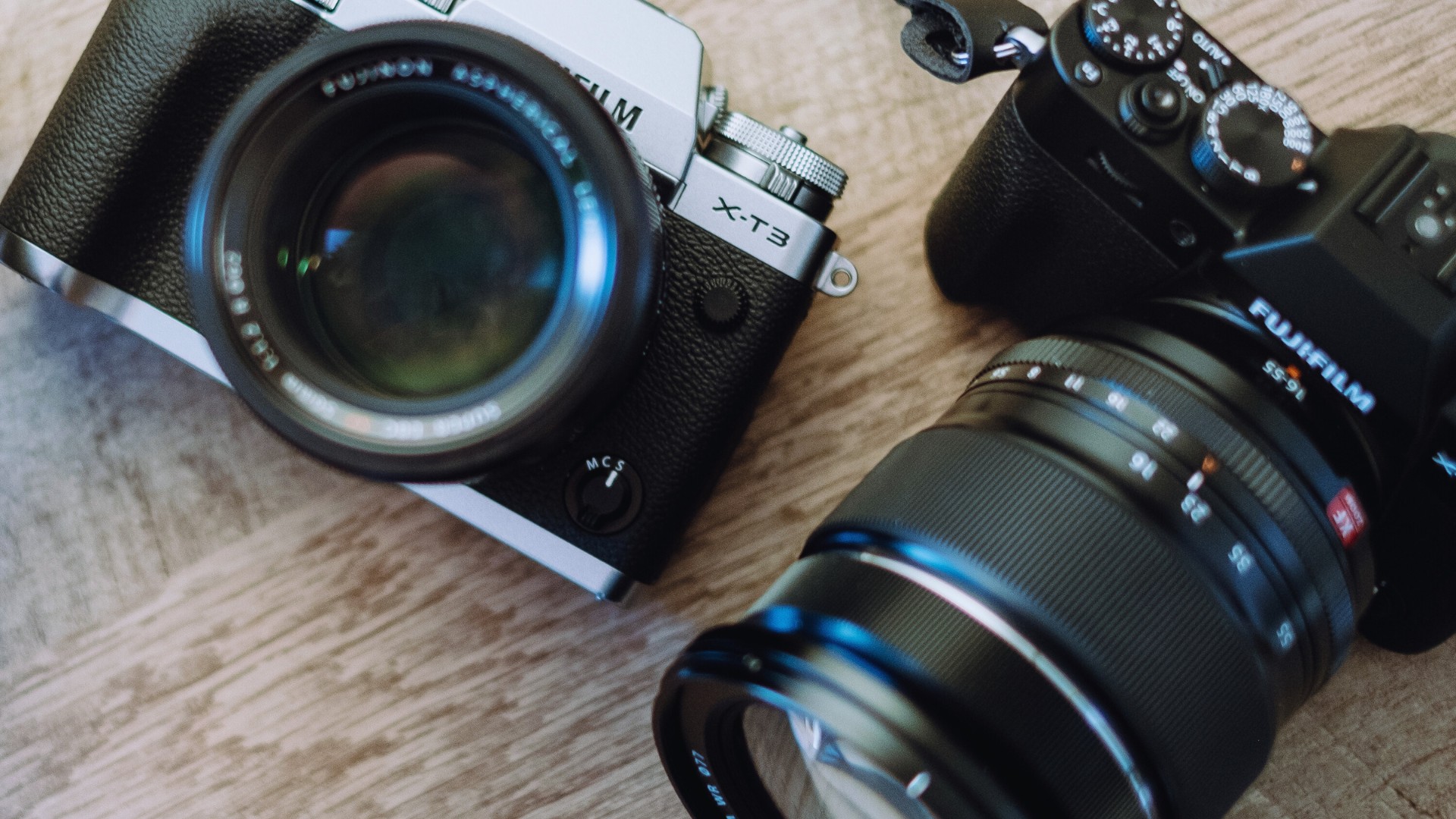
Popular models from brands like Fujifilm and Canon often include advanced functionalities and interchangeable lenses. The Canon EOS R6 is a notable option as it offers an excellent balance between usability and performance. DSLRs also excel in battery life, making them suitable for prolonged shooting sessions, ideal for events or trips.
Compact Cameras and Smartphones: Portability and Ease
Compact cameras and smartphones are top choices for those prioritizing convenience. Compact models like the Sony RX100 provide excellent image quality in a pocket-sized format. These cameras often include features like 4K video capability and fast autofocus, making them user-friendly for quick social media content creation.
Smartphone cameras, especially in recent models, rival traditional cameras in quality. With advanced computational photography, they offer features like enhanced low-light performance and portrait modes. This makes smartphones a practical option for spontaneous content creators looking to share high-quality images effortlessly.
Essential Gear and Accessories for Content Creators
For social media content creators, having the right gear is crucial. This section covers essential tools that enhance video and photo quality. It includes equipment for stabilization, lighting, audio, and storage solutions to support creative endeavors.
Tripods and Gimbals
Tripods are foundational for stable shots. A sturdy tripod allows for long exposure photography and smoother video production. Look for options with adjustable height and a quick-release plate for convenience.
Gimbals are vital for moving shots. These stabilization devices reduce camera shake, providing fluid motion for videos. Many gimbals allow for remote control or gesture control, making it easier to capture dynamic shots hands-free. Investing in both tripods and gimbals ensures versatility in various shooting environments.
Lighting Solutions for High-Quality Content
Lighting can significantly impact the quality of photos and videos. Natural lighting is often preferred for its authenticity, but it can be inconsistent. Portable ring lights offer adjustable brightness, making them ideal for indoor and outdoor settings.
For more professional results, consider softbox lights or LED panels. They provide even illumination and reduce harsh shadows. Creators should also explore colored gels to add mood and tone to their work, enhancing visual storytelling effectively.
Audio Tools and Microphones
High-quality audio is as important as clear visuals. Built-in camera microphones often pick up ambient noise, which can detract from the content. External microphones, such as shotgun or lavalier mics, deliver clearer sound and better focus on subjects.
Wired and wireless options are available, catering to different setups. Additionally, a portable audio recorder can be useful for capturing high-fidelity sound during interviews or on-location shoots. Good audio equipment enhances overall production quality significantly.
Storage and Maintenance Essentials
Content creators need adequate storage solutions. High-speed memory cards are crucial for rapid data transfer, especially when shooting high-resolution photos and videos. A minimum of UHS-I or UHS-II ratings is recommended for optimal performance.
Camera maintenance tools are essential for longevity. Cleaning kits that include microfiber cloths, lens cleaners, and sensor brushes protect equipment from dust and smudges. Proper storage in padded camera bags ensures that gear stays safe during travel. Regular maintenance prolongs the life of valuable equipment.
Optimizing Your Camera for Social Media Platforms
To create engaging content for social media, it’s crucial to optimize the camera settings and features according to the platform specifications and content type. Key adjustments can enhance image quality, ease of use, and sharing capabilities.
Setting Up for Instagram, TikTok, and YouTube
Each platform has unique requirements for ideal video and photo formats. For Instagram, using a square (1:1) or portrait (4:5) aspect ratio is recommended to maximize screen space. TikTok requires vertical videos (9:16), while YouTube traditionally favors landscape (16:9).
Camera Settings:
- Resolution: Set the resolution to the highest available for crisp images.
- Frame Rate: Aim for 30 or 60 FPS to smooth out motion in videos.
Using the rule of thirds can greatly enhance composition. For food photography or product shots, simple backgrounds help the subject stand out.
Best Practices for Different Content Types
Different content types demand distinct approaches. For social media videos, good lighting is essential. Natural light works well, but ring lights or softboxes can provide uniform illumination indoors.
Photography Tips:
- Product Photography: Focus on clarity and detail. A shallow depth of field can highlight the subject effectively.
- Food Photography: Capture vibrant colors and textures. Use props sparingly to avoid distraction.
When shooting travel photography, emphasize landscapes and local culture through wide-angle shots. Maintain an organized photography setup to streamline the shooting process.
Connectivity Features for Easy Sharing
Connectivity features greatly impact the efficiency of sharing content. Bluetooth connectivity allows for quick transfer of photos and videos to smartphones.
Essential Features:
- Wi-Fi Transfer: Facilitates faster uploads to social media accounts directly from the camera.
- App Integration: Many cameras offer companion apps to control settings remotely and manage uploads.
Good connectivity ensures that content reaches followers promptly, enhancing engagement. This is particularly important in fast-paced environments like TikTok, where timely posting can strengthen visibility.