
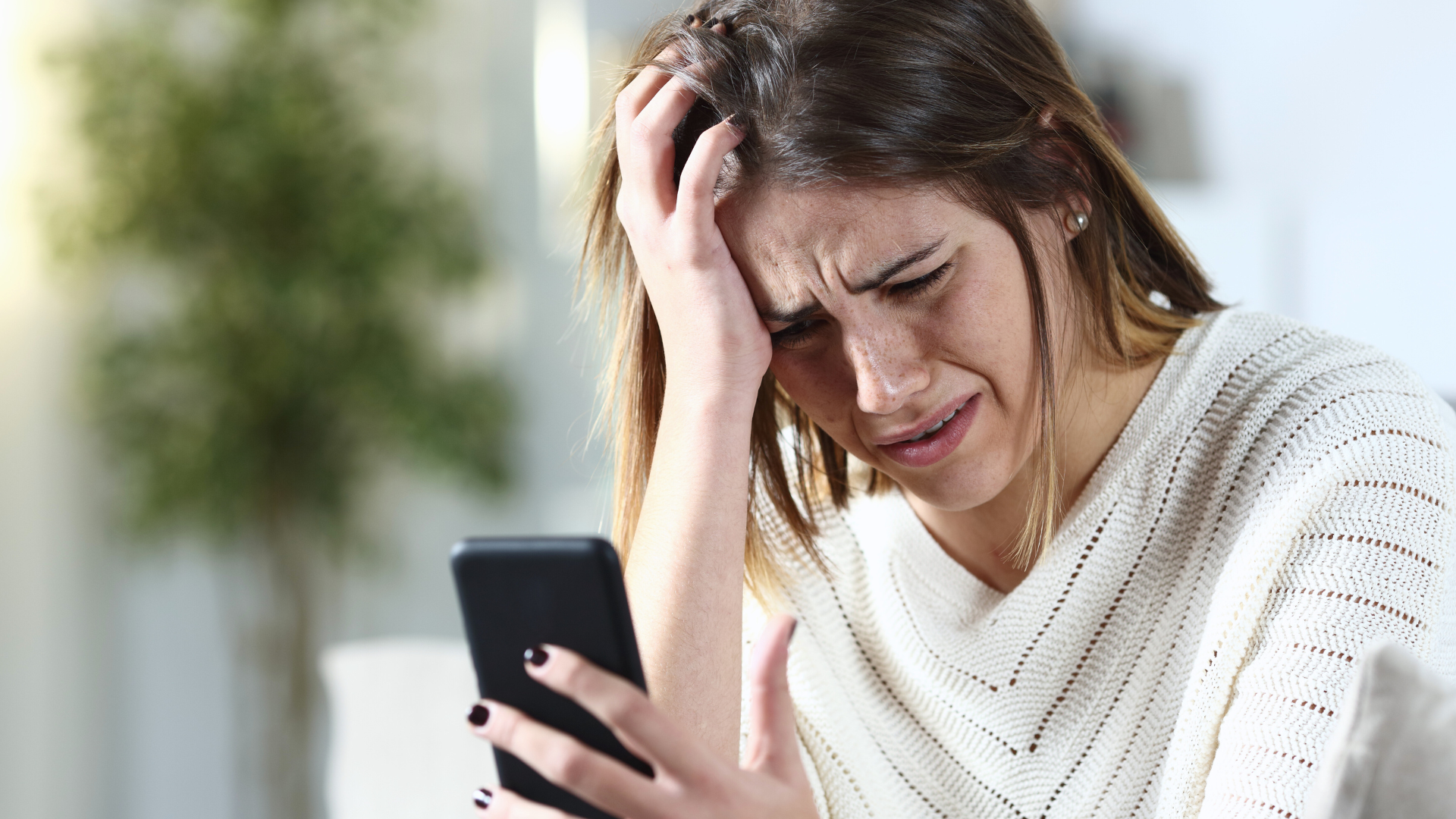
Social media has become an integral part of daily life, influencing various aspects of people’s well-being. Research indicates that extensive social media use can lead both to heightened self-esteem through connections and approval, and to negative self-perception due to unrealistic comparisons. The dual nature of social media means that its impact on self-esteem can vary widely based on individual experiences and usage patterns.
Users often curate their online personas, showcasing only the best moments, which can distort reality for viewers. This creates a cycle where individuals measure their worth against idealized representations of others, affecting their mental health and self-image. Understanding the nuances of how social media influences self-esteem can empower individuals to engage more mindfully with these platforms.
As social media continues to evolve, so too does its role in shaping perceptions of self-worth. Awareness of the potential effects can aid users in navigating their online experiences more positively. Recognizing both the benefits and pitfalls is key to maintaining a healthy self-esteem in a digitally connected world.
The Psychology of Social Media Use
Social media profoundly influences self-esteem and mental health. The dynamics of online interactions can lead to both positive and negative outcomes that affect how individuals perceive themselves.
Understanding Self-Esteem in the Digital Age
Self-esteem in the digital age is shaped by online interactions. Individuals often use social media as a benchmark for self-worth. Platforms like Facebook and Instagram allow users to showcase their lives, leading many to equate likes and comments with personal validation.
Engagement on these platforms can generate feelings of happiness and belonging. Conversely, low engagement might trigger anxiety and negative self-perceptions. Thus, the fluctuation of self-esteem in this context is closely tied to social media feedback.
Social Comparison and Self-Image
Social comparison is a pervasive issue on social media. Users often compare their lives to the curated representations of others, which can distort self-image. High-quality photos and idealized lifestyles frequently lead to feelings of inadequacy.
Individuals tend to benchmark their accomplishments and appearance against influencers or peers. This can foster discontent and anxiety, particularly when users perceive themselves as lacking in comparison. Such comparisons can deter authentic self-acceptance, driving harmful behaviors in pursuit of validation.
Approval and Validation on Online Platforms
Approval and validation are central to social media experiences. Users seek likes and comments to affirm their self-worth. Positive feedback can enhance self-esteem, while negative or minimal interaction can lead to feelings of rejection.
The pursuit of social approval often dictates online behavior, pushing users to modify posts for higher engagement. This continuous cycle fosters dependency on external validation, which may impact mental health. Balancing the need for approval with genuine self-acceptance is crucial for healthy social media use.
Impact of Social Media on Mental Health
Social media has significant effects on mental health, particularly among adolescents. Various factors contribute to issues like depression, anxiety, and stress, while experiences such as cyberbullying can exacerbate these conditions. The quest for peer approval often leads to pressure that impacts well-being and self-esteem.
Depression, Anxiety, and Stress Factors
The constant exposure to curated images and lifestyles can lead to feelings of inadequacy. Many individuals compare themselves to what they see online, which can result in low self-esteem. Research indicates a correlation between heavy social media usage and increased rates of depression and anxiety.
Adolescents are particularly vulnerable due to their developmental stage. They may lack the coping mechanisms necessary to handle negative feedback. Stress levels can rise with the pressure to maintain an online presence, impacting their overall mental well-being.
Cyberbullying and Online Harassment
Cyberbullying presents unique challenges that can deeply affect mental health. Unlike traditional bullying, it can happen 24/7 and is often unforgiving. Victims may experience heightened feelings of isolation, leading to increased anxiety and depression.
Those targeted may also struggle with their self-image. Harassment often results in a fear of social situations, further exacerbating mental health issues. The anonymity that social media provides can embolden bullies, making the impact even more severe.
The Effects of Peer Approval and Pressure
The desire for peer approval can influence behavior and self-worth, particularly in teens. They may engage in risky behaviors to gain validation, leading to stress and anxiety. Individuals often curate their profiles to meet perceived expectations, which can distort self-image.
Peer pressure can push adolescents to seek frequency and quantity of likes, equating social media engagement with personal value. This cycle can lead to obsessive behaviors concerning online interactions, further complicating their mental health. Individual differences play a role; some may handle this pressure better than others, but the risks remain significant for all.
Navigating the Positive and Negative Effects of Social Media
Social media can serve as a double-edged sword, impacting self-esteem through both constructive and damaging interactions. Understanding the nuances of these platforms helps users make informed choices that foster positive experiences while mitigating potential harms.
Enhancing Well-Being and Positive Interactions
Social media platforms can enhance well-being by creating opportunities for connection and support. Users often find communities that reflect their interests and experiences, fostering a sense of belonging.
For example, platforms like Facebook and Instagram allow individuals to share achievements, express creativity, and support one another. Positive interactions, such as heartfelt comments and shares, can boost one’s self-esteem. Engaging in uplifting content can help users combat feelings of loneliness and isolation.
Moreover, online communities focused on mental health can provide resources and encouragement, further strengthening users’ resilience against challenges.
Addressing the Risks of Social Media Use
While social media offers benefits, it also poses significant risks to self-esteem. Users frequently encounter idealized images and lifestyles, leading to negative comparisons with their own lives. This can distort body image and other self-evaluations.
Research indicates that excessive use may increase feelings of loneliness and inadequacy. Users may develop a negative relationship with social media if they spend too much time contrasting their lives with curated online personas.
To minimize these effects, individuals should critically assess their engagement and the content they consume. Practicing media literacy can enhance awareness of how platforms shape perceptions and expectations.
Strategies for Positive Online Engagement
To make social media a more positive experience, users can adopt several strategies. First, curating feeds to include supportive and motivational content is essential. Following accounts that promote body positivity or mental wellness can offer uplifting messages.
Setting time limits on usage can also prevent excessive scrolling and the negative emotions that may arise. Regular digital detoxes can help maintain a healthy relationship with technology.
Encouraging open discussions about social media’s impact within peer groups fosters awareness and understanding. Finally, individuals should engage actively, offering support to others, which not only boosts their self-esteem but also enriches the online community.