
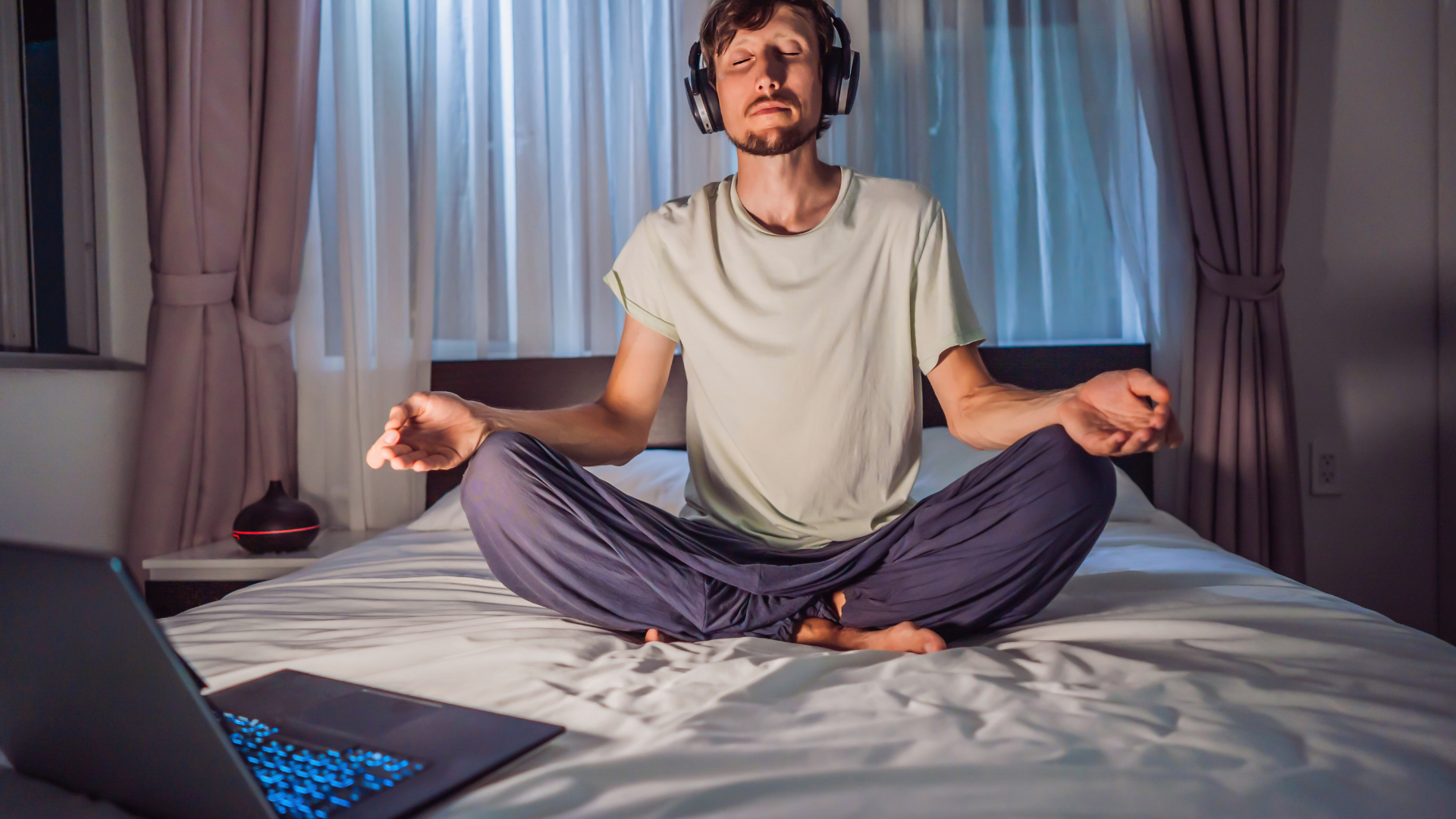
Meditation has long been recognized as a valuable practice for enhancing mental health, offering individuals tools for stress relief and emotional regulation. Today, meditation apps are transforming these practices by making them more accessible and personalized than ever before. With a variety of features tailored to different needs, these apps allow users to integrate mindfulness into their daily routines with ease.
The surge in meditation app usage reflects a broader societal shift towards prioritizing mental well-being. These digital tools provide guided sessions, reminders, and community support, empowering users to take control of their mental health. By breaking down barriers to entry, meditation apps enable people from all walks of life to engage with mindfulness in a way that fits their lifestyles.
As interest in mental health continues to rise, the role of technology in providing support cannot be understated. Meditation apps not only facilitate individual practice but also contribute to a growing dialogue about mental health awareness and self-care strategies. With a personalized approach, these applications connect users to resources that promote a healthier mindset and enhanced emotional resilience.
The Rise of Meditation Apps and Their Impact on Mental Health
Meditation apps have gained significant traction, reshaping mental health practices by offering accessible tools for stress management and mindfulness. Their evolution reflects a growing understanding of mental well-being and the need for convenient resources.
Understanding the Popularity of Meditation Apps
The rise of meditation apps can be attributed to increased awareness of mental health issues and the need for effective stress reduction strategies. Platforms like Headspace, Calm, and Insight Timer offer guided sessions that fit into busy schedules, making mindfulness practices more attainable.
Accessibility plays a crucial role; users can engage with apps anytime, anywhere, eliminating barriers to participation. This flexibility encourages regular use, fostering greater awareness and a deeper connection to mental health practices.
Comparison of Leading Meditation Apps
Several key apps dominate the meditation landscape, each with unique features catering to diverse user preferences.
- Headspace focuses on structured programs with a user-friendly interface, ideal for beginners.
- Calm emphasizes a broader range of content, including sleep stories and soothing music, appealing to those seeking relaxation alongside meditation.
- Insight Timer offers a vast library of free content with various instructors, fostering community engagement and exploration of different techniques.
Each app provides a distinct approach to mindfulness, allowing users to select the best fit for their personal journey.
Scientific Evidence on App Effectiveness
Research supports the mental health benefits of meditation apps. Several systematic reviews have confirmed positive outcomes associated with their use.
For instance, randomized controlled trials have shown that participants using meditation apps report lower levels of stress and anxiety. These findings suggest that consistent engagement with such tools can lead to measurable improvements in mental well-being.
While the effectiveness varies among individuals, the potential for supplementary support in managing stress through these platforms is evident.
Features and Functionalities of Meditation Apps
Meditation apps integrate various features aimed at enhancing user experience and supporting mental health practices. Key functionalities include guided meditations, progress tracking, community support, and customizable sessions, allowing users to personalize their meditation journey.
The Role of Guided Meditations in Apps
Guided meditations serve as a cornerstone in many meditation apps. They offer users a structured approach to practice by providing audio or video instructions led by experienced meditation teachers. This helps users, especially beginners, understand techniques such as mindfulness, breathing exercises, or visualization.
Users can choose guided sessions based on duration, theme, and meditation style, ensuring that the content aligns with their needs. Features like daily reminders for guided sessions encourage consistency, supporting long-term mental health benefits. With varied content, these sessions aid users in navigating stress, anxiety, and emotional well-being.
Tracking Progress and Setting Goals
Progress tracking features promote accountability and encourage users to maintain their meditation practices. Many apps allow individuals to log their session lengths, frequency, and type of meditation. Visual representations, such as graphs or streaks, offer insights into progress over time.
Users can also set personal goals tailored to their mental health objectives. For instance, a user might aim to meditate five times a week or track their mood before and after meditation. This personalized tracking fosters motivation and demonstrates the tangible benefits of consistent practice.
Community and Social Features
Community features in meditation apps enhance user experience through social interactions. Many apps provide forums, discussion boards, or groups where users can connect, share experiences, and offer support. These platforms foster a sense of belonging, which is crucial for mental health.
Social features may include challenges where users can participate with friends or other users, making meditation a shared experience. Celebrating milestones together or exchanging tips can motivate individuals to stay committed to their practices. Community aspects empower users, combating feelings of isolation.
Personalization and Customization
Personalization is a vital aspect of meditation apps, allowing users to tailor their experience. Many apps offer customizable sessions, enabling users to select meditation lengths, styles, or specific focuses such as stress relief or sleep enhancement.
In addition, users can often save their favorite sessions for quick access. The ability to receive tailored content based on previous activity or preferences enhances user engagement. By prioritizing personalization, meditation apps ensure that each user’s journey is unique and effective for their mental health needs.
Incorporating Mindfulness into Daily Life
Integrating mindfulness into daily routines can enhance relaxation and promote self-awareness. By adopting specific techniques, individuals can experience significant benefits that contribute to their overall mental well-being.
Mindfulness and Relaxation Techniques
Practicing mindfulness can be simple yet effective. Techniques such as breathing exercises and mindfulness meditation encourage individuals to focus on the present moment.
Common methods include:
- Deep Breathing: Inhale deeply for a count of four, hold for four, and exhale for four.
- Body Scan: Focus on each body part, noticing tension or relaxation.
- Mindful Walking: Pay attention to each step, the ground beneath, and surrounding sounds.
These techniques foster relaxation, reduce stress, and can easily be incorporated into daily life.
The Benefits of Daily Mindfulness Practice
Regular mindfulness practice can lead to various benefits. Individuals who engage in daily mindfulness exercises often find improvements in:
- Self-awareness: Increased awareness of thoughts and emotions.
- Stress Reduction: Lower levels of anxiety and emotional reactivity.
- Enhanced Focus: Improved concentration and cognitive performance.
Studies indicate that mindfulness-based interventions can effectively manage mental health conditions, making regular practice a valuable habit.
Overcoming Challenges with Accessibility and Regular Practice
Many individuals face challenges in maintaining a mindfulness practice. Barriers such as time constraints or lack of access to guided resources can hinder engagement.
To overcome these obstacles, individuals can:
- Utilize mobile meditation apps that offer structured mindfulness training.
- Set aside short daily intervals of 5–10 minutes for mindfulness activities.
- Create a dedicated space at home for practice to foster routine.
By addressing these challenges, individuals can establish consistent meditation habits and reap the benefits of mindfulness in their everyday lives.
Future Directions and Innovations in Mental Health Apps
Mental health apps are on the brink of significant advancements. Innovations aimed at personalized support and integrating artificial intelligence promise to enhance user experiences and increase the quality of life for many individuals.
Advancements in Personalized Mental Health Support
Future mental health apps are set to leverage user data to provide tailored experiences. By analyzing user interactions, preferences, and progress, these apps can offer specific meditation techniques and coping strategies that resonate with individual needs.
Features like custom reminders, adaptive content, and mood tracking will help maintain engagement. With a user-friendly interface, these personalized elements will ensure that users receive relevant guidance, making meditation an integral part of their mental wellness routine.
The Intersection of Artificial Intelligence and Mindfulness
Artificial intelligence is transforming how users interact with meditation apps. AI can analyze vast amounts of data to identify patterns in users’ mental health, leading to insights that shape app offerings.
Natural language processing can facilitate conversational interfaces, allowing users to express their feelings and receive instant feedback or recommendations. This creates a more engaging user experience that feels personalized and supportive, fostering a greater connection to mindfulness practices.
Predictions for the Evolution of Meditation Apps
The future of meditation apps may see increased integration with wearable technology. Devices that monitor physiological states, such as heart rate variability and stress levels, could enhance the app’s responsiveness.
These advancements will allow for real-time adjustments to meditation sessions based on the user’s immediate state. Additionally, the focus on digital wellness will drive app developers to create harmonious experiences that promote mental balance without overwhelming users, ensuring lasting engagement and satisfaction.