
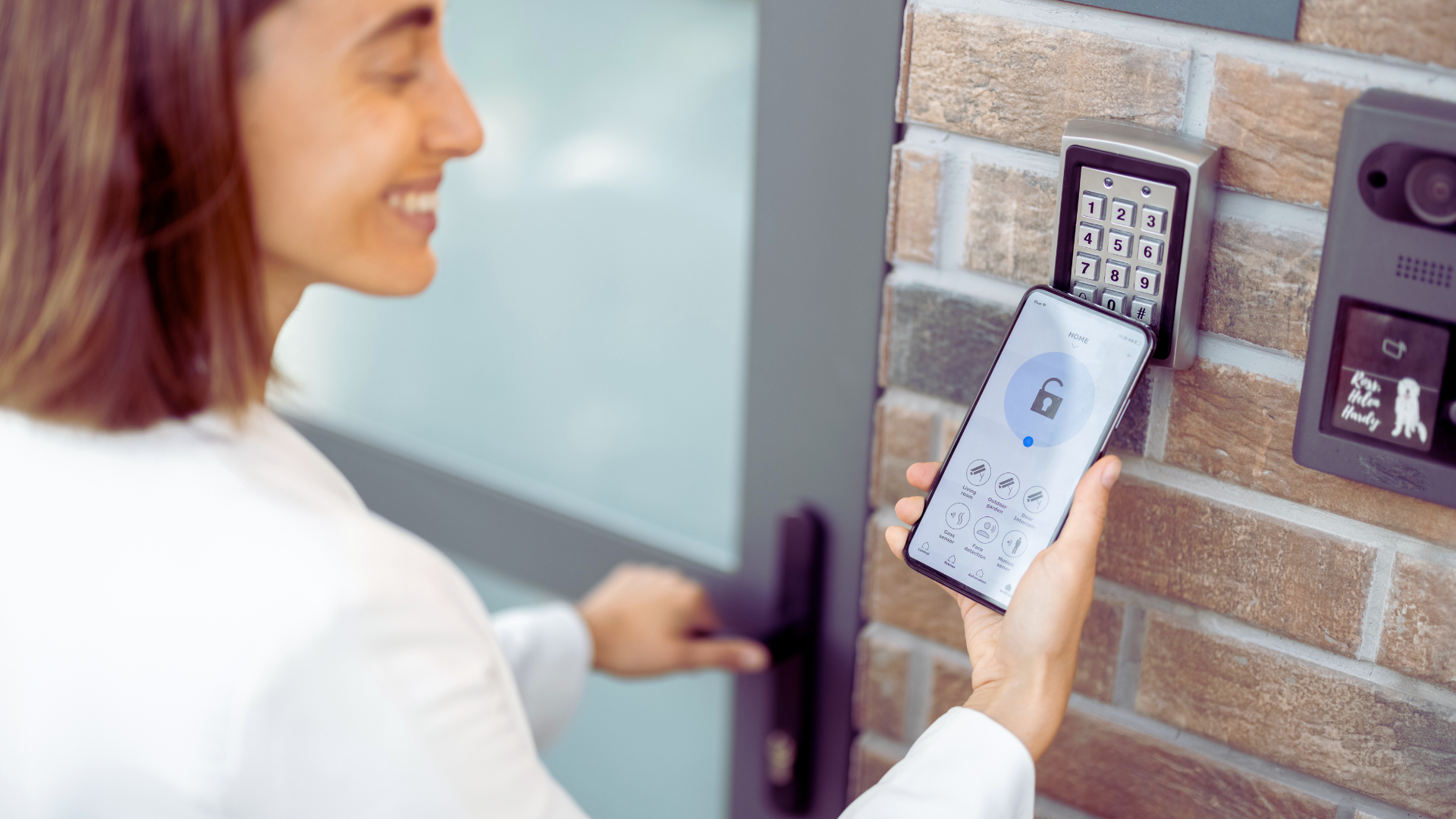
Smart home gadgets are transforming the way elderly care is approached, providing crucial support for older adults seeking to maintain their independence. These technologies not only enhance safety but also empower seniors to age in place more comfortably. Devices such as smart sensors, wearable health trackers, and voice-activated assistants can monitor health, ensure timely medical assistance, and facilitate daily tasks.
The integration of these tools into everyday life can significantly improve the quality of care for elderly individuals. By automating routines and providing reminders for medication or appointments, smart home gadgets reduce the burden on caregivers while promoting a sense of autonomy for seniors. As these technologies become more accessible, the potential to enhance the lives of older adults continues to grow.
Adopting smart home technologies can be a game-changer in fostering a supportive environment for aging individuals. With the right gadgets, elderly care can shift from reactive measures to proactive strategies, ensuring that seniors not only live safely but also thrive in their own homes.
The Role of Smart Home Technology in Enhancing Elderly Safety
Smart home technology significantly boosts safety for the elderly. It offers solutions that address emergencies, secure homes, and monitor health effectively.
Emergency Services Integration
Smart home systems can connect directly with emergency services. In situations where immediate assistance is crucial, devices like smart medical alert systems notify emergency responders at the push of a button.
These systems use local networks to relay information swiftly. Advanced gadgets can also provide location data and health conditions. This streamlines response times and ensures appropriate care.
Furthermore, integration with platforms like Amazon Alexa or Google Assistant allows seniors to call for help using voice commands. This function is invaluable for individuals with mobility challenges or cognitive impairments.
Security Cameras and Monitoring
Security cameras serve as a deterrent against intruders and provide peace of mind. Many smart home security systems now include HD cameras that stream directly to mobile devices.
They offer features such as motion detection alerts and two-way audio. This allows family members to communicate with the elderly while monitoring their surroundings.
Additionally, video doorbells enable seniors to see who is at the door without opening it. This is particularly important for maintaining safety and privacy in an age where home invasions are a concern.
Smart Locks and Access Control
Smart locks enhance home security significantly. They can be controlled remotely, allowing trusted family members access when needed.
These locks often utilize fingerprint or face recognition technology. This feature prevents unauthorized entry while making it easier for the elderly to manage access to their homes.
In case of emergencies, seniors can lock or unlock doors using a mobile app. This can be crucial for avoiding unwanted situations or allowing quick access for caregivers.
Medical Alert Systems and Health Monitors
Medical alert systems are critical for ensuring safety at home. These devices can monitor health metrics like heart rate and oxygen levels.
When they detect anomalies, they can automatically alert caregivers or healthcare providers. This ongoing monitoring offers reassurance to families concerned about their elderly loved ones.
In addition to stand-alone alert systems, smart health monitoring devices can be integrated into daily routines. Wearable technology can provide instant health feedback, enabling seniors to maintain their independence while staying safe.
Improving Comfort and Convenience for Seniors at Home
Smart home technology significantly enhances the comfort and convenience of seniors by facilitating seamless daily activities. These gadgets aim to create an environment that addresses the unique needs of elderly individuals, making it easier for them to live independently.
Smart Lighting and Energy Management
Smart lighting systems offer adjustable brightness and color settings. Seniors can use smart bulbs to customize their home environment with ease. They can also set schedules for lights to turn on and off, mimicking daily activity patterns to enhance security.
Smart thermostats play a vital role in maintaining comfortable home temperatures. These devices learn user preferences and adjust heating and cooling automatically. Seniors can manage their home’s climate directly from their smartphones or through voice commands, ensuring a comfortable environment year-round.
Voice-Activated Assistants and Automation
Voice-activated assistants like Amazon Echo significantly improve convenience for seniors. Using simple voice commands, they can control various smart home devices without needing physical interaction. This is particularly useful for those with mobility issues.
Automation capabilities enhance daily routines. For instance, seniors can set up routines for morning and bedtime that include turning lights on/off, adjusting the thermostat, and even playing their favorite music. This level of control reduces the challenges associated with managing multiple devices.
Smart Appliances and Maintenance
Smart appliances simplify household tasks, promoting ease of use. Smart ovens can be programmed remotely, allowing seniors to prepare meals with minimal effort. They can preset cooking times and temperatures, reducing the need for constant monitoring.
Robotic vacuum cleaners are valuable in maintaining cleanliness without requiring physical effort. These devices can be programmed to clean specific rooms on a schedule. Additionally, smart plugs can control traditional appliances, providing greater command over home functions while promoting energy efficiency.
Promoting Independence and Quality of Life Through Smart Gadgets
Smart home gadgets significantly enhance the independence and quality of life for older adults. These technologies not only support daily activities but also foster social interaction, promote cognitive health, and ensure better management of health needs.
Medication Management Tools
Smart medication dispensers help older adults adhere to their medication schedules. These devices can remind users when to take medication and provide audible alerts when it’s time. Some dispensers also have smartphone app integration, allowing caregivers to monitor adherence remotely.
These tools can be customized to dispense specific dosages, ensuring individuals receive the correct amount at the right time. With features like locked compartments, they prevent accidental overdoses and keep medications secure. Such innovations empower seniors to manage their health needs more effectively.
Remote Access and Family Interaction
Remote access technologies facilitate communication between older adults and their families. Smartphone apps and smart hubs enable family members to check in, either through video calls or real-time alerts about daily activities.
This connectivity allows for instant notification if something seems off, promoting peace of mind for both seniors and their caregivers. Moreover, families can share experiences and support emotional well-being, which is essential for maintaining cognitive health. Enhanced interactions lead to increased feelings of independence, making aging in place more feasible.
Customizable Smart Home Systems for Personalized Care
Customizable smart home systems provide tailored solutions for the unique needs of older adults. These systems allow users to configure settings according to their routines and preferences.
Gadgets can include smart lighting, temperature control, and security cameras. Automation can adapt to daily patterns, ensuring comfort and safety at home. Users can also integrate personal health devices into a single platform, promoting independent living.
This level of personalization not only enhances quality of life but also assures seniors they can manage their environment effectively. Such adaptations create a more accessible, supportive living space that fosters autonomy for older adults.
Addressing Privacy and Social Considerations
As smart home technologies become integral in elderly care, addressing privacy and social aspects is crucial. Systems must ensure data protection while enhancing connections to combat feelings of isolation.
Data Privacy and Security Measures
Elderly users may have concerns about data privacy when using smart home systems. Voice-activated assistants, such as Google Assistant, can collect personal information, raising questions about how this data is stored and shared.
To alleviate these concerns, manufacturers often implement strong data encryption and offer users control over their privacy settings. Regular software updates also help protect against vulnerabilities.
Organizations can further educate families on best practices, such as establishing emergency contacts and monitoring access to personal information. Clear communication about privacy practices fosters trust for seniors and their families.
Combating Social Isolation with Technology
Smart home gadgets can serve as powerful tools to reduce social isolation among elderly individuals. Features like video calling, social reminders, and digital engagement applications enable users to maintain important relationships with family and friends.
For instance, smart devices can remind seniors to call loved ones or schedule virtual meetings. This routine encourages regular contact, which is vital for emotional well-being.
Additionally, community-focused platforms can help connect elderly users with local events, promoting social interaction. Combining technology with an intentional focus on engagement offers significant benefits.
The Importance of In-Person Care
While technology plays a vital role in supporting elderly individuals, it cannot replace the need for in-person care. Human interaction remains essential for emotional health and overall quality of life.
In-home care services provide personalized assistance tailored to each individual’s needs, contributing to a more holistic approach. Smart home systems complement these services by offering additional safety features, like fall detection.
Striking a balance between technological solutions and personal care ensures that seniors receive comprehensive support tailored to their unique situations. Technology should enhance, not replace, direct human contact.